
A Rider's Guide to America's National Parks: Planning, Permits, and Can't-Miss Roads
Sep 25th 2025
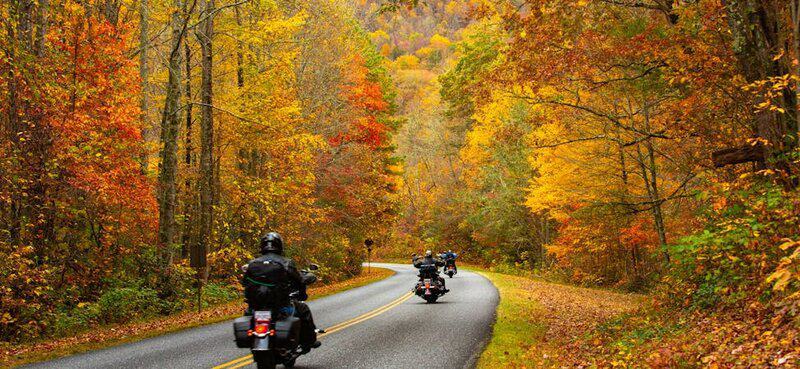
There’s a world of difference between seeing America’s landscapes through a car window and experiencing them from the saddle. On a bike, the world is unfiltered. You feel the air cool as you climb into a pine forest and smell the desert sage after a rain. It’s an immersive journey that pulls riders to our most treasured places: the National Parks.
While the spirit of a spontaneous road trip lives on, the reality of touring the parks today requires what seasoned riders call "strategic spontaneity." Soaring popularity has led to traffic and mandatory permit systems. This guide gives you the practical, rider-specific intel to navigate this new landscape, ensuring the freedom of the road is enhanced by foresight, not hindered by a lack of it.
Before You Go: The Modern Rider's Checklist
Touring a national park isn't like a typical weekend ride. The distances are vast, services are scarce, and the environment demands respect. Nailing down these essentials before you leave will save you from major headaches on the road.
1. Master the Reservation System
The single biggest change to park touring is the rise of mandatory reservation systems. For many of the most famous parks, you can no longer just show up and ride in during peak season. Start your planning at the official National Park Service (NPS) website and Recreation.gov.
Understand the three main types of restrictions you may encounter:
- Timed-Entry Permits (Park-Wide): These grant you access to the entire park during a specific time block. Rocky Mountain National Park uses this system during its peak season.
- Road-Specific Reservations: These are required to drive a single, iconic road, even if the rest of the park is open. Glacier’s Going-to-the-Sun Road and Acadia’s Cadillac Summit Road are prime examples.
- Shuttle-Only Zones: These areas are closed to all private vehicles, including motorcycles. The main Zion Canyon Scenic Drive is accessible only by shuttle for most of the year.
2. Plan for Lodging and Passes
In-park lodging and campgrounds at popular destinations like Yellowstone and Zion often book up 6 to 12 months in advance.
For riders visiting multiple parks, the America the Beautiful annual pass is a must-have. Since most parks charge $25-$30 per motorcycle, the $80 pass pays for itself after just three visits. One pass per bike covers the rider and (when applicable) passengers.
3. Plan Your Fuel Stops
Many park roads have no services for 75 miles or more. Adopt the "rule of half-a-tank": start looking for fuel as soon as your gauge hits 50%. Always top off in the last gateway town before entering a long stretch like the Blue Ridge Parkway (no gas on the Parkway itself) or North Cascades SR-20 Highway (roughly 75–85 miles between services).
4. Respect Wildlife
National parks are wild places where we are temporary guests. Maintain a significant and respectful distance from all animals. Bison, elk, and moose can and do injure or kill visitors who crowd them. Never attempt to ride through a herd. Be extra vigilant at dawn and dusk, and remember that low speed limits are set to give you and the wildlife enough reaction time.
NPS guidance: 25 yards from most wildlife; 100 yards from bears/wolves. NPS wildlife guidelines >
5. Pack for weather swings
Expect 20–30 °F drops and fast storms on high roads like Trail Ridge Road and at Logan Pass, carry real rain gear and warm layers even on “nice” mornings. For the desert, a hydration pack is non-negotiable.
6. Time your day
Weekdays and early starts beat entrance lines and dodge typical summer afternoon storms in the Rockies.
7. Connectivity is limited
Expect dead zones and long response times in remote areas. Download offline maps, share your route, and carry a basic first-aid kit. Consider a satellite SOS device for remote routes.
National Parks
1 - Appalachians: Skyline to sweepers to Smokies
In one continuous run, you can cruise Skyline Drive, flow the Blue Ridge Parkway, and tackle the technical twisties near the Smokies. Plan for fuel stops, morning fog, and heavy crowds during fall foliage season.
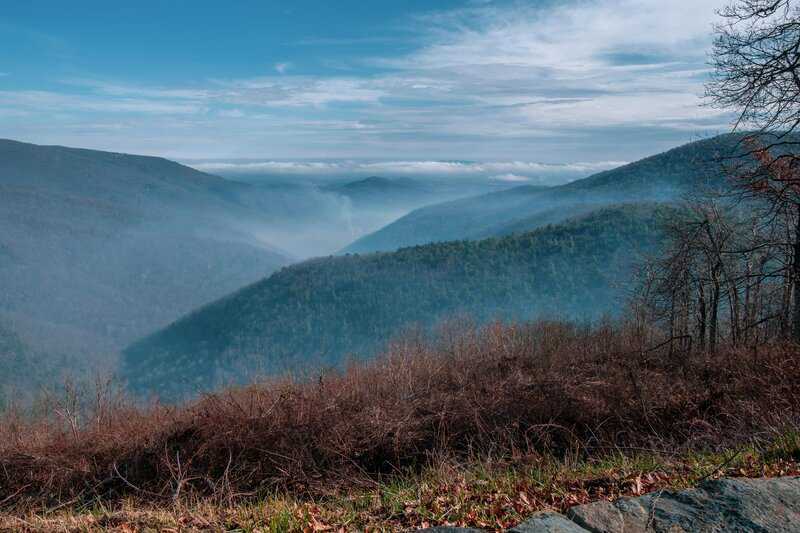
1.1 - Shenandoah & Blue Ridge Parkway (VA/NC):
Start on the relaxed, 105-mile Skyline Drive, which has a strictly enforced 35 mph speed limit. It flows seamlessly into the 469-mile Blue Ridge Parkway, a masterpiece of scenic sweepers where commercial traffic is banned. While Shenandoah requires an entrance fee, the entire Parkway is free. The most critical logistic: there are no gas stations located directly on the Blue Ridge Parkway. You must exit to refuel.
Heads-up: Skyline’s Big Meadows Wayside has been the only on-park fuel point and is seasonal/occasionally closed, don’t rely on it. Exit to refuel whenever your gauge hits half.
Sample loop (4–5 days): Front Royal → Skyline Drive → BRP → exit near Cherokee/Waynesville → Smokies day ride → Foothills Parkway/backroads return.
1.2 - Great Smoky Mountains National Park (TN/NC)
The Smokies have no entrance fee, but a parking tag is required if you stop for more than 15 minutes. There are no gas stations in the park; fuel up in Gatlinburg, Townsend, or Cherokee. US-441 (Newfound Gap Road) runs slow in peak hours; Cades Cove can feel like a parade.
Bonus ride: US-129 “Tail of the Dragon” (nearby, outside the park) is a pure technical challenge. Eyes up, smooth inputs, and try to avoid peak weekends.
2 - The Rockies: Altitude, Weather, and Short Seasons
High passes deliver huge views and fast weather flips. July through September is your most reliable window. Book permits months in advance and carry warm layers and real rain gear, even if it’s 80°F in the gateway town.
Altitude affects riders and bikes: Above ~8,000 ft, expect reduced engine power; carbureted bikes may run rich. Watch for altitude-sickness signs (headache, nausea, dizziness); hydrate, slow down, and descend or rest if symptoms appear.
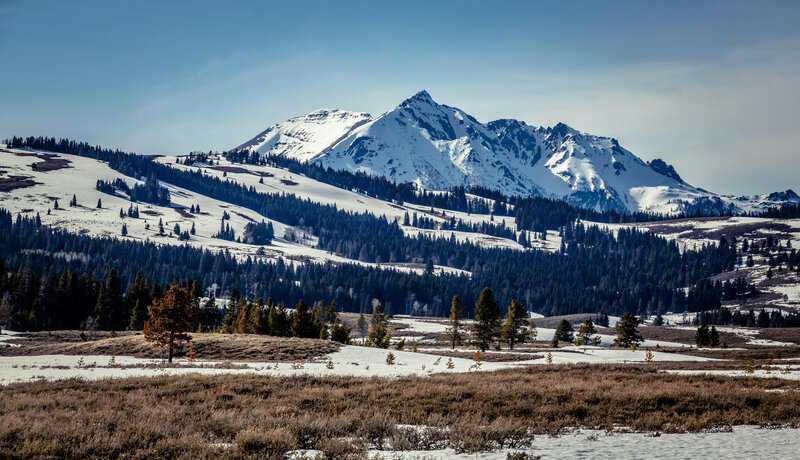
2.1 - Rocky Mountain (CO): Trail Ridge Road
Trail Ridge Road tops out at 12,183 ft. Expect wind, temperature swings, and routine afternoon cells even when the town is sunny. Timed-entry permits run in peak season, with two zones: Bear Lake Corridor (covers Bear Lake + general access) and Park Access (all other areas excluding Bear Lake). Book the right one for your plan.
2.2 - Yellowstone & Grand Teton National Parks (WY/MT/ID)
This is a safari on two wheels. No park-wide timed entry as of 2025, but congestion is real. Yellowstone’s Grand Loop pairs geothermal sights with frequent “bison jams.” Never try to thread through a herd.
Fuel exists inside Yellowstone (Old Faithful, Canyon, Grant, Fishing Bridge, Mammoth, Tower area). In Grand Teton, find fuel at Colter Bay and Signal Mountain Lodge, with more nearby at Moose/Dornan’s. Entrance passes can be purchased online.
2.3 - Glacier (MT): Going-to-the-Sun Road (GTTSR)
The Going-to-the-Sun Road is a narrow, cliff-cut, and an unforgettable marvel. A vehicle reservation is required in peak season (released months ahead with small day-before drops, and permits sell out in minutes). The full cross-park opening typically lands late June–July and often closes by late September. Fuel in West Glacier or St. Mary, no fuel on the crest.
Sample loop (5–7 days): Denver → RMNP → WY-26/191 → Grand Teton → Yellowstone loop → exit NE via Beartooth (if open) → Billings.
3 - Southwest & Sierras: heat and access quirks
Spring and fall are prime. Summer heat can be dangerous in full gear, and some marquee corridors limit private vehicles.
3.1 - Zion National Park (UT):
You can ride the thrilling switchbacks of the Zion-Mount Carmel Highway (UT-9) year-round. However, the main Zion Canyon Scenic Drive is closed to private vehicles (including motorcycles) most of the year. To see the main canyon, you must park your bike and take the mandatory shuttle bus.
Tunnel pro-tip: take off dark sunglasses well before the long, dim Zion–Mount Carmel Tunnel so your eyes adjust.
Heat note: start at dawn, carry 2L+ water, wear mesh/vented gear or a cooling vest, and plan shade/altitude breaks mid-day
Sample Southwest loop (3-4 days): St. George → Zion (UT-9) → US-89 to Bryce → back via Cedar Breaks (watch elevation temps).
3.2 - Yosemite National Park (CA)
Reservation rules change year to year. In 2025, select peak dates required entrance reservations. Always check the Yosemite reservations page before you go.
Tioga Road (CA-120) is the high-country prize when open; valley traffic is slow and drivers are distracted by views. Fuel is limited, Crane Flat in-park and El Portal just outside are common refuel points.
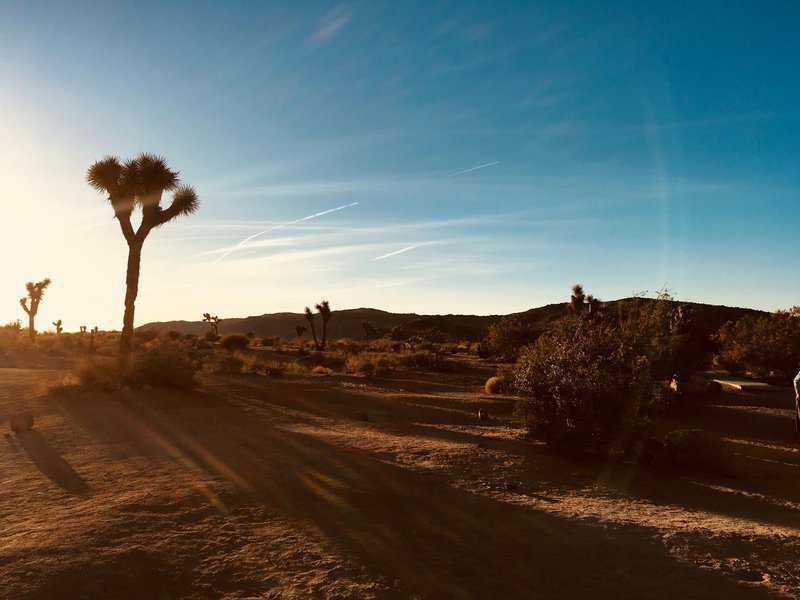
3.3 - Joshua Tree National Park (CA)
A serene desert ride with no reservation required. But be warned: there is no fuel, food, or water available anywhere in the park. Enter with a full tank and carry a hydration system.
Park Boulevard and Pinto Basin Road form a serene loop through Mojave/Colorado desert scenery. Best months are fall through spring; summer often exceeds 110 °F. Arrive topped off and carry more water than you think you’ll need.
4 - Badlands & Big Skies: Wide-Open Views, Easy Pavement
Solitude most days, but expect heat and pop-up thunderstorms in midsummer. Watch for wildlife on the road, especially during the Sturgis Rally week in August.
4.1 - Badlands National Park (SD)
Ride the Badlands Loop Road (SD-240) for otherworldly formations. Services are sparse, plan to fuel up in Wall or Interior before or after your loop. For riders on adventure bikes, the gravel Sage Creek Rim Road offers a more remote experience.
4.2 - Theodore Roosevelt National Park (ND)
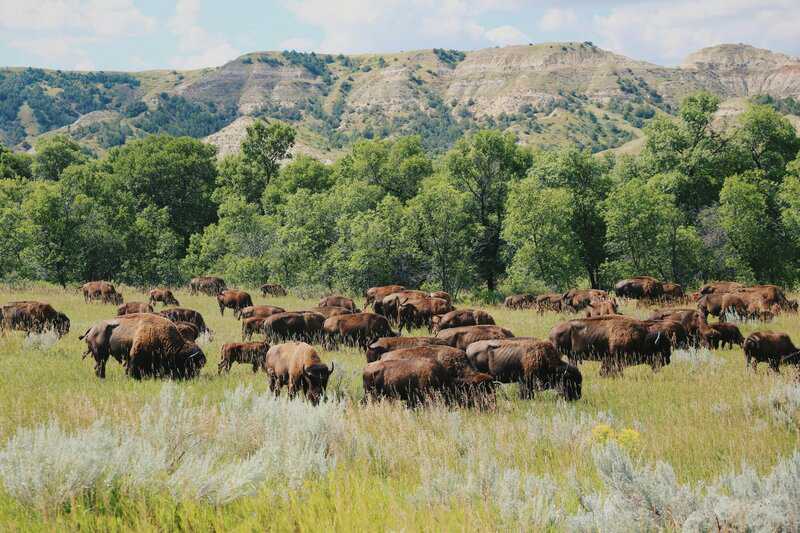
The South Unit Scenic Loop Drive is a mellow, 36-mile circuit with a very high probability of seeing bison and wild horses. Be patient with animal traffic and keep a safe distance. It's one of the least-visited national parks, offering a peaceful and uncrowded ride.
5 - Pacific Northwest: North Cascades’ Big Views, Long Gaps
State Route 20 is a summer-only alpine stunner with long stretches without services. Have the fuel range for the crossing and always check road status before you go.
5.1 - North Cascades National Park (WA)
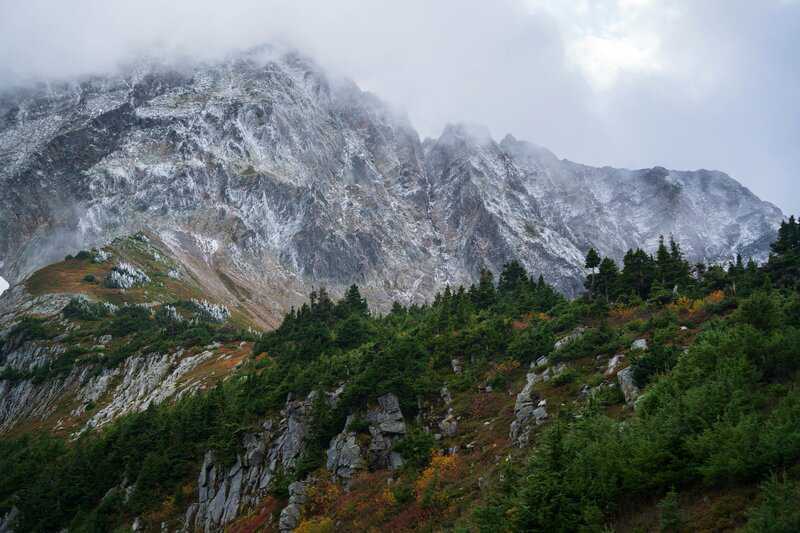
The North Cascades Highway (SR-20) is the main event. One of the best features for riders: there is no entrance fee and no reservation required to ride this road. Between Marblemount and the Methow Valley (Mazama/Winthrop) there are no services for roughly 80 miles. Topping off your tank is not a suggestion; it's a necessity. The road is typically closed from November to early May, so check the WSDOT pass report for current conditions.
6 - Northeast Coast: Where Mountains Meet the Sea
A compact masterpiece of granite coastline and forest roads. The season is best from summer through fall, but expect heavy crowds, especially during the autumn foliage season.
6.1- Acadia National Park (ME)
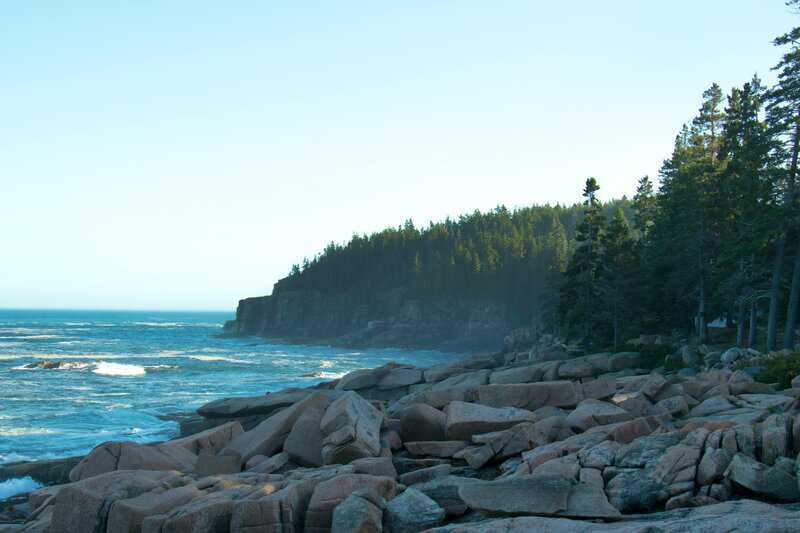
The 27-mile Park Loop Road is the main event (mostly one-way), offering a fantastic mix of forested curves and sweeping ocean views. The 3.5-mile road to the summit of Cadillac Mountain offers unforgettable 360-degree panoramas but requires a separate, timed-entry vehicle reservation during peak season. There is no fuel inside the park; the adjacent town of Bar Harbor is a full-service hub.
Frequently Asked Questions
Q: Do I need a reservation for Yosemite National Park?
A: Rules can change yearly. As of late 2025, reservations are required on select dates. Always check the official Yosemite NPS page for the most current information before planning your trip.
Q: When is Going-to-the-Sun Road in Glacier usually open?
A: Due to massive snowfall, the road is typically only fully open from late June or early July until the first significant snow in late September or early October. Check the NPS road status page for real-time updates.
Q: How long are the no-service stretches on the Blue Ridge Parkway and North Cascades Highway?
A: The Blue Ridge Parkway has no fuel services directly on its entire 469-mile length. The North Cascades Highway (SR-20) has a roughly 75-mile gap between Marblemount and Winthrop with no services of any kind.
Q: How does high altitude affect my motorcycle?
A: All bikes lose power at altitude due to thinner air (roughly 3% per 1,000 feet). Fuel-injected bikes automatically compensate for the air-fuel mixture. Carbureted bikes will begin to run rich and may become sluggish or difficult to start above 8,000 feet.
Q: Camping vs. hotels, what books first?
A: In-park campgrounds and lodges (Yosemite, Zion, Yellowstone) can fill 6–12 months out. Book those first, then permits.
Q: What about group riding in parks?
A: Keep groups small (5-6 bikes max) and maintain proper spacing. Pull off together at designated areas only. Never stop in the roadway for stragglers. Consider splitting larger groups with different departure times.
Related Gear for the Tour
Planning a multi-day tour requires gear that's as versatile as the terrain.
- Motorcycle Gloves: For long days, nothing beats the all-day comfort and superb lever feel of deerskin or elkskin. They stay soft and flexible even after a mountain downpour.
- Vented Leather Jackets: A quality full-grain leather jacket with vents gives you abrasion resistance while offering airflow for hot desert crossings and room to layer for cold, high-altitude passes.
- Leather Chaps & Overpants: The quickest way to adapt to a sudden storm or temperature drop. They go on easily over your jeans and provide a crucial barrier against wind and rain.
Final Thoughts: It's a Park, Not a Racetrack
The joy of riding in these protected lands comes from slowing down and fully experiencing them. The temptation to ride aggressively on a perfect ribbon of asphalt can be strong, but park roads are the wrong place for it. They are shared spaces filled with unique hazards like distracted drivers, slow-moving RVs, and wildlife.
Adjust your mindset before you enter the gate. Expect to travel at or below the speed limit. Use the numerous pull-offs and overlooks for their intended purpose: to safely stop, rest, take photos, and absorb the magnificent scenery.